Rural America is home to some of our country’s most daunting and long-standing health disparities. Provider shortages stretch capacity thin across these communities, making it harder for our healthcare system to reach and sustainably engage the people who live there.
It’s beyond time to rethink what care, and access to it, looks like, for the nearly 14% of the populace who call rural America home. CMS’s Rural Health Transformation Program (RHTP) gives states the rare opportunity to do just that. Hospitals, health systems, and state leaders have room to build, but the bar is high, and leaders may not be fully prepared to cultivate the engagement necessary to meet expected outcomes.
The RHTP framework is broad on purpose: bring more care within reach, strengthen the workforce, modernize infrastructure and technology, and support more sustainable care models. While building clinics, standing up telehealth, and launching new care models are critical to the program's success, getting people to use and engage with those services will determine whether the initiatives can actually transform care in rural communities.
Access is a core issue. That’s why it’s a core pillar in virtually every state RHTP plan.
The access gap shows up every day in rural communities. Rural residents travel significantly farther than their urban counterparts for almost every type of care—including 20 miles farther for specialized services like oncology. These access gaps show up in the missed preventive screenings, delayed primary care visits, the follow-ups and vaccinations that never happen, and the mental and behavioral health referrals that get pushed aside.
This is exacerbated by a disappearing safety net; rural hospital closures have led to a precipitous drop in maternal health and inpatient psychiatric services, leaving residents with fewer places to turn to address practical needs like food security and transportation.
These services often exist in rural communities. The issue is reaching members, engaging them, earning their trust, and maintaining a strong connection.
That’s a problem for humans to solve. Because at the end of the day, people need people.
In rural areas, community is the thing that makes care real. Appointments aren’t useful if members don’t have the means to get there or the support to navigate where to go and follow through with care in their own community. A telehealth visit doesn’t do any good if the member can’t log in. We can’t expect readmissions to fall if members don't understand their post-discharge plan or don’t have the support needed to follow it.
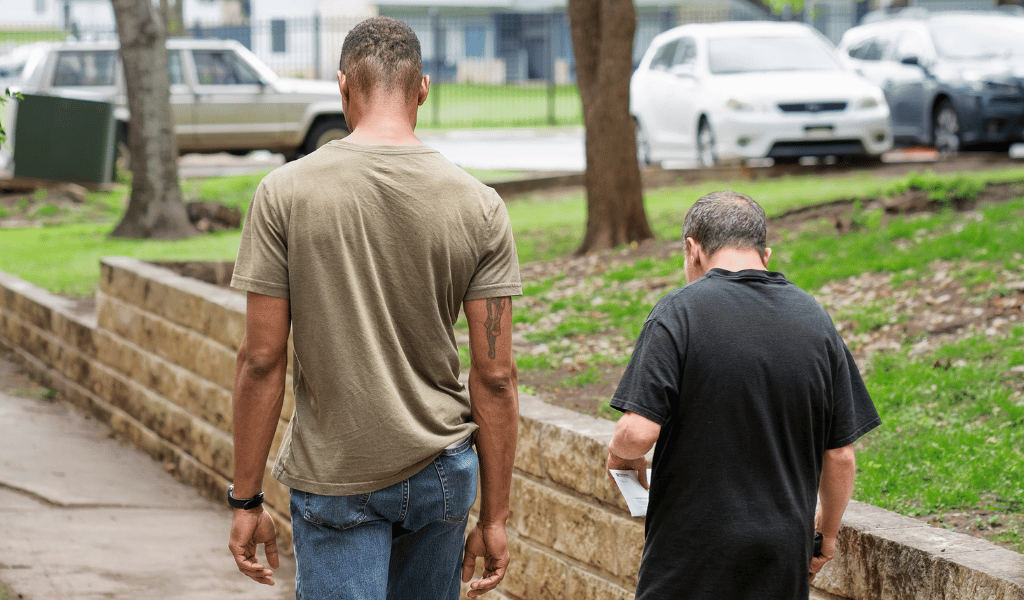
What Papa has seen, time and again, is how human connection can turn available care into accessed care. It’s trust, earned through companionship, that gets members to engage in their care.
Our national network of Papa Pals provide local, friendly, non-clinical support in homes and communities across the country, helping people get where they need to go, learn how to use digital tools, and stay connected to the services their health plans, health systems, and communities already offer. They act as the connective tissue that keeps care local, helping members follow through on care and services they've already been referred to.
Today, Papa Pals are providing door-through-door transportation to the doctor, pharmacy, and food bank; helping members navigate digital tech tools; and surfacing barriers like home safety issues and food insecurity that block follow-through, while extending the reach of local care and community teams working toward shared goals.
That support maps directly to the priorities many RHTP efforts are focused on: closing care gaps, reducing readmissions, improving digital health adoption, and getting members safely to non-emergent care.
Papa’s outcomes demonstrate the impact of this kind of last-mile support:
- 6% increase in composite care gap closure rate among rural older adults with a chronic condition
- 19% increase in primary care visits among socially isolated older adults
- 14% decrease in hospital readmissions across multiple populations
- 74% of postpartum Medicaid members completed a postpartum provider visit
These are the outcomes that are enabled when a trusted companion meets people where they are for help how they need it.
To truly transform health outcomes in rural America, leaders need a way to make care reachable in the real world. States can build the frameworks necessary to transform care, and hospitals and health systems can stand up the services needed to deliver it, but extending that care into people’s daily lives requires a human layer that many organizations can’t scale on their own. This in-person support builds the trust members need to engage, stay engaged, and stay healthy.
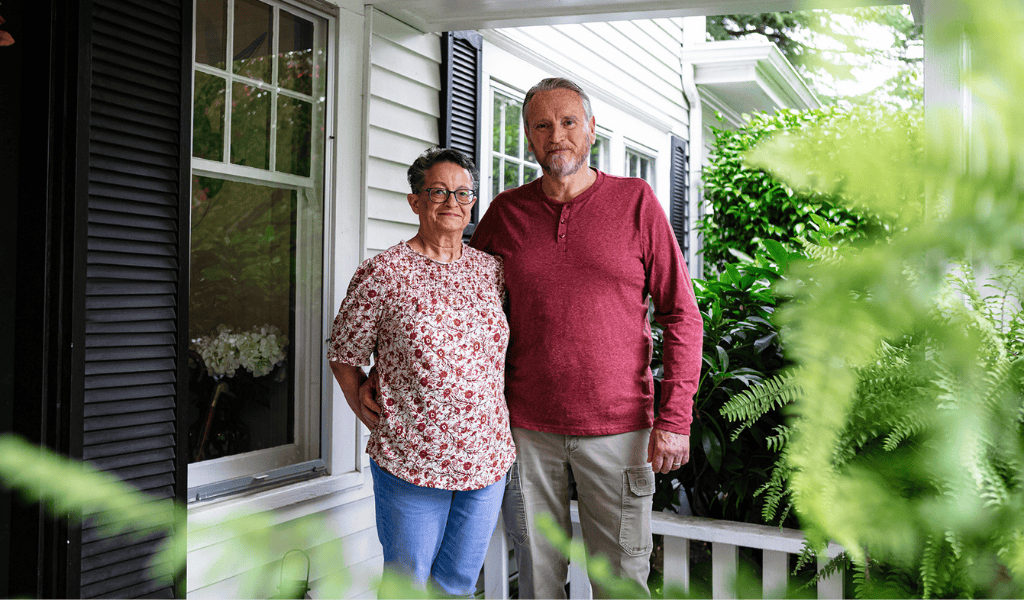
When someone trusted can cross the access gap to sit in the living room and help a member take the next step toward better outcomes, rural health transformation becomes a lot less daunting, and a lot more attainable.